AUTHORIZATION
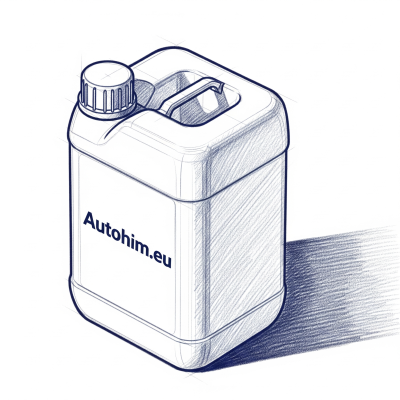
Antifreeze-36 G-11 green, can 5L
Unfortunately, the market situation is changing rapidly. Therefore, please
check prices with the manager
by phone +371 29-41-95-37
or by e-mail mihail@autohim.lv
Diemžēl situācija tirgū strauji mainās. Tāpēc, lūdzu,
precizējiet cenas pie menedžera
pa tālruni +371 29-41-95-37
vai pa e-pastu mihail@autohim.lv
К сожалению, ситуация на рынке стремительно меняется. Поэтому, пожалуйста,
уточняйте цены у менеджера
по телефону +371 29-41-95-37
или по e-mail mihail@autohim.lv
Availability is available
Cooling Liquid "Antifreeze -36", G11
Antifreezes are cooling liquids used in the diesel and petrol engines of cars and other machinery, as well as in heating systems, ventilation, air conditioning, refrigeration systems, and solar collectors. Antifreezes are made from monoethylene glycol, propylene glycol, glycerin, and various alcohols.
This SIA "Autohim" antifreeze is made from monoethylene glycol and is used in both passenger cars and trucks, as well as other machinery powered by internal combustion engines down to a freezing temperature of -36*C and a boiling temperature of up to +108*C. The antifreeze is green. The antifreeze contains a complex of anti-corrosion and anti-foaming additives. This antifreeze can be used in all internal combustion engines for which the manufacturer has specified the antifreeze to comply with the ASTM D4985 and BS 6580 standards. This antifreeze is compatible with all types of antifreezes made from monoethylene glycol. The shelf life of the antifreeze is 3 years. This antifreeze does not contain nitrites and nitrates. It complies with the VW standard G11.
Using Antifreeze.
If you find that it is necessary to top up the quantity of antifreeze in the cooling system, do so only when the system has cooled down. Top up the system only with the corresponding antifreeze that is ready for use, not with antifreeze concentrate or water, as otherwise the composition of the inhibitor additive complex in the antifreeze will be disrupted. If the antifreeze's shelf life has expired, drain the "old" antifreeze completely from the cooling system and then flush the system with a special radiator cleaning liquid "Radiator flush". Pour the special cleaning liquid into a container with a sealing cap and add "new" antifreeze into the radiator up to the level indicated on the sides of the antifreeze storage tank.
Cooling Liquid “Antifreeze -36 oC”, G11
 |
 |
Attention! Acute Tox. 4 (oral) – Acute toxicity (oral), category 4 STOT RE 2 - Toxic effect on target organ – repeated exposure, category 2. H302 Harmful if swallowed. H373 May cause liver damage after prolonged or repeated exposure if swallowed.